
Significance of the Kaaba During Hajj and Umrah
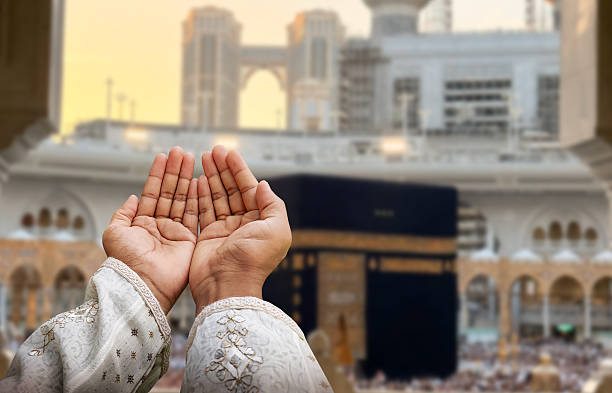
The Kaaba, located at the heart of Masjid al-Haram in Makkah, holds unmatched spiritual significance in Islam. It is the most sacred place on earth for Muslims and serves as the focal point of worship. During Hajj and Umrah, millions of believers from around the world gather around the Kaaba, united in faith, humility, and devotion to Allah. For every Muslim, visiting the Kaaba is not just a journey, it is a lifelong dream and a profound spiritual milestone.
For Muslims travelling from the UK, preparing for this sacred experience often involves selecting affordable Umrah packages that allow them to focus fully on worship rather than logistics. Regardless of background or nationality, when pilgrims stand before the Kaaba, all distinctions disappear, and every heart turns solely towards Allah.
The Kaaba: The House of Allah
The Kaaba is known as Baytullah, meaning the House of Allah. It was originally built by Prophet Ibrahim (AS) and his son Prophet Ismail (AS) upon Allah’s command. Although Allah is not confined to any place, the Kaaba was established as a physical symbol of unity and obedience, directing believers toward one central point of worship.
Muslims around the world face the Kaaba during their daily prayers, reinforcing its role as a unifying force for the Ummah. This daily connection strengthens the spiritual bond Muslims feel when they finally see the Kaaba in person during Hajj or Umrah.
Significance of the Kaaba During Hajj
Hajj is one of the five pillars of Islam and is obligatory once in a lifetime for those who are physically and financially able. The Kaaba plays a central role in many Hajj rituals, most notably Tawaf, where pilgrims circle the Kaaba seven times in a state of humility and remembrance of Allah.
Standing before the Kaaba during Hajj is an overwhelming moment for many pilgrims. It is a time of intense reflection, repentance, and heartfelt dua. The Kaaba reminds pilgrims of the Day of Judgment, where all people will stand equal before Allah, accountable only for their deeds.
Significance of the Kaaba During Umrah
Although Umrah is not obligatory, it carries immense spiritual reward. The Kaaba remains the focal point of Umrah rituals, especially during Tawaf and Salah within Masjid al-Haram. Performing Umrah allows believers to cleanse their hearts, seek forgiveness, and renew their relationship with Allah.
For many UK Muslims, Umrah is often performed multiple times in a lifetime, especially during Ramadan or school holidays. Each visit to the Kaaba feels unique, as spiritual growth deepens with every experience.
The Kaaba as a Symbol of Unity and Equality
One of the most powerful lessons of the Kaaba is unity. During Hajj and Umrah, people of all races, cultures, and social statuses stand side by side. Wealth, language, and nationality fade away, leaving only faith and submission to Allah.
This powerful scene serves as a reminder that Islam promotes equality and brotherhood. The Kaaba unites over a billion Muslims worldwide, making it a symbol not just of worship, but of global Islamic identity.
Emotional and Spiritual Impact on Pilgrims
Seeing the Kaaba for the first time is often an emotional moment. Many pilgrims are moved to tears, overwhelmed by gratitude and awe. The sight reinforces faith, increases humility, and inspires lifelong spiritual change.
Pilgrims often describe feeling a deep sense of peace near the Kaaba, where worldly worries fade and the heart feels closer to Allah. This emotional connection is one of the reasons many Muslims long to return again and again.
The Kaaba in the Life of a Muslim
Even after returning home, the Kaaba continues to influence a pilgrim’s life. The experience often leads to improved character, increased worship, and a stronger sense of purpose. For UK Muslims, this spiritual transformation helps balance faith with daily responsibilities in a fast-paced modern society.
The Kaaba remains a constant reminder of devotion, discipline, and submission to Allah, shaping a believer’s actions long after the journey ends.
Conclusion
The significance of the Kaaba during Hajj and Umrah goes far beyond rituals. It represents unity, equality, obedience, and the eternal bond between a believer and Allah. Whether performing obligatory Hajj or voluntary Umrah, standing before the Kaaba is a life-changing experience that leaves a lasting spiritual imprint on the heart. For UK pilgrims and Muslims worldwide, the Kaaba remains the centre of faith, devotion, and hope, right from preparation to the completion of their Umrah Visa.