
Biggest Mosques in the World: A Journey Through Islamic Architecture and Faith
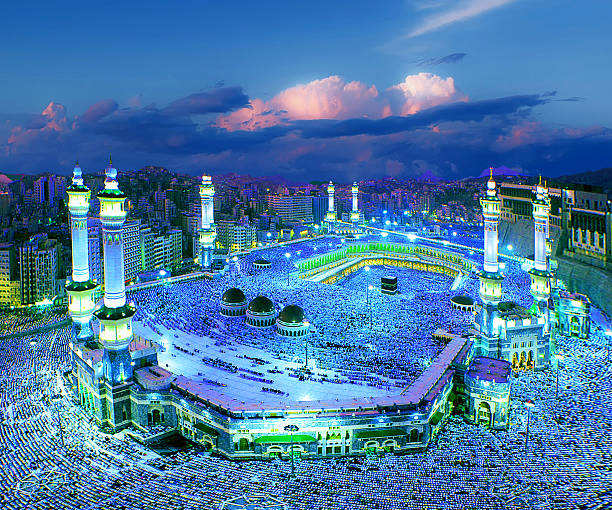
Mosques are not only places of worship for Muslims but also symbols of Islamic history, culture, and architectural brilliance. Some mosques around the world are so vast that they can accommodate hundreds of thousands of worshippers at once. These grand structures attract pilgrims, tourists, and architecture lovers alike.
In this article, we explore the biggest mosques in the world, highlighting their size, history, and spiritual importance.
Masjid al-Haram – Makkah, Saudi Arabia
The Largest Mosque in the World
Masjid al-Haram is the largest mosque on Earth and the holiest site in Islam. Located in Makkah, it surrounds the Kaaba, the direction (Qibla) Muslims face during prayer.
- Capacity: Over 2.5 million worshippers
- Total area: More than 356,000 square meters
Every year, millions of Muslims visit Masjid al-Haram to perform Hajj and Umrah, making it the most visited mosque in the world.
Spiritual Significance
Praying in Masjid al-Haram carries immense reward, and it is the focal point of Islamic worship globally.
Al-Masjid an-Nabawi – Madinah, Saudi Arabia
The Prophet’s Mosque
Al-Masjid an-Nabawi is the second-holiest mosque in Islam and one of the largest mosques in the world. It was originally built by Prophet Muhammad ﷺ and expanded over centuries.
- Capacity: Around 1.5 million worshippers
- Famous feature: The Green Dome, marking the Prophet’s ﷺ resting place
Importance in Islam
A prayer in this mosque is rewarded many times more than prayers offered elsewhere (except Masjid al-Haram).
Faisal Mosque – Islamabad, Pakistan
The Largest Mosque in South Asia
The Faisal Mosque is one of the most iconic mosques in the world due to its unique, modern design inspired by a Bedouin tent.
- Capacity: About 300,000 worshippers
- Location: At the foothills of the Margalla Hills
Architectural Beauty
Unlike traditional mosques, Faisal Mosque has no central dome and stands out for its minimalistic yet majestic structure.
Hassan II Mosque – Casablanca, Morocco
One of the Tallest Minarets in the World
The Hassan II Mosque is the largest mosque in Africa and a masterpiece of Moroccan craftsmanship.
- Capacity: 105,000 worshippers
- Minaret height: 210 meters (one of the tallest in the world)
Unique Feature
Part of the mosque is built over the Atlantic Ocean, symbolising Allah’s throne above the water.
Badshahi Mosque – Lahore, Pakistan
A Mughal-Era Masterpiece
Built during the Mughal Empire, the Badshahi Mosque is one of the largest historical mosques in the world.
- Capacity: Over 100,000 worshippers
- Built in: 1673 by Emperor Aurangzeb
Historical Importance
The mosque reflects Mughal architecture with red sandstone, large courtyards, and grand domes.
Sheikh Zayed Grand Mosque – Abu Dhabi, UAE
A Modern Architectural Wonder
The Sheikh Zayed Grand Mosque is one of the most beautiful and largest mosques in the world, blending traditional Islamic design with modern elements.
- Capacity: Around 40,000 worshippers
- Features: World’s largest hand-woven carpet and massive chandeliers
Cultural Significance
The mosque is open to Muslims and non-Muslims, promoting interfaith understanding.
Jamia Masjid – Delhi, India
One of India’s Largest Mosques
Jamia Masjid is among the biggest mosques in India and a major landmark in Old Delhi.
- Capacity: Approximately 25,000 worshippers
- Built by: Mughal Emperor Shah Jahan
Architectural Style
It showcases classic Mughal architecture with red sandstone, marble domes, and tall minarets.
Why the World’s Biggest Mosques Matter
Centers of Faith and Unity
Large mosques bring together Muslims from different cultures, languages, and backgrounds, strengthening unity within the Ummah.
Tourism and Cultural Heritage
Many of the biggest mosques in the world are also major tourist attractions, contributing to cultural awareness and local economies.
Final Thoughts
The biggest mosques in the world are more than just large structures; they are living symbols of Islamic faith, history, and artistic excellence. From the sacred grounds of Masjid al-Haram to the architectural marvel of Sheikh Zayed Grand Mosque, each mosque tells a unique story of devotion and design.
Whether you are a pilgrim, a traveller, or a student of history, visiting or learning about these mosques offers a deeper understanding of Islam’s spiritual and cultural legacy.