
What are the Benefits and Virtues of Performing Umrah?
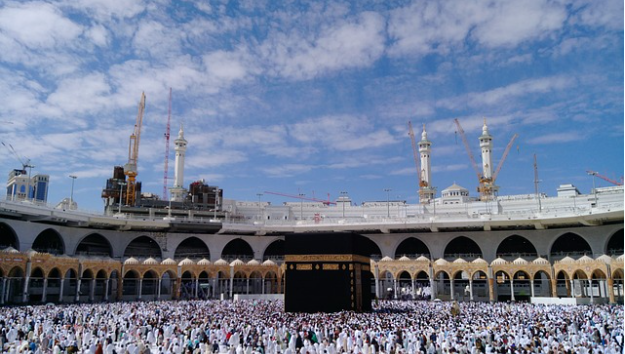
For many Muslims, the desire to visit the House of Allah sits in the heart for years. You think about that moment when you first see the Ka’bah. You wonder how it will feel to stand in front of it with your hands raised, your heart beating, and your entire life suddenly making sense.
That journey is Umrah, the “minor pilgrimage,” that carries major rewards. It’s a Sunnah that Muslims can perform at any time of the year. It’s not obligatory like Hajj, but its spiritual impact is powerful enough to renew your connection with Allah.
In this guide, let’s walk through the benefits, virtues, and history of Umrah. You will also learn what makes this journey so special and why believers long for it again and again.
The Purpose of Umrah
Umrah is not obligatory, yet every Muslim aspires to perform it at least once. It’s a journey of purification where the soul is washed clean. It offers you a chance to leave behind everything that has weighed you down: mistakes, sins, regrets, and emotional burdens.
Only those who are physically and financially able must carry out this Sunnah. And if you get the opportunity, you can perform it multiple times in your life. In fact, many Muslims return again and again because they feel a closeness to Allah that they don’t experience anywhere else.
Standing before the Ka’bah reminds you of your true purpose: worshipping Allah alone. And for a moment, the dunya feels silent.
Related: Must-Pack Essentials for Umrah
A Short History: The First Umrah
The first Umrah performed by Prophet Muhammad (ﷺ) came after years of hardship, sacrifice, and patience.
After the Hijrah to Madinah, tensions remained high between Muslims and the disbelievers of Makkah. Despite that, the Prophet (ﷺ) saw a dream in which he was performing Umrah. So he set out with 2,000 companions, intending only worship, not conflict.
But Quraysh feared the large number of Muslims approaching the city. They assumed the worst - that Muslims wanted to attack.
The Prophet (ﷺ) sent a representative to assure them: “We come only to perform Umrah.”
Yet, they were stopped at Hudaybiyyah. The Quraysh refused to allow them entry that year. This led to negotiations that resulted in the Treaty of Hudaybiyyah, which promised peace for ten years and allowed Muslims to perform Umrah the following year.
The Prophet (ﷺ) accepted these terms out of respect for the sanctity of the Ka’bah. And in 6 AH, he returned with 2,000 companions and performed the first Umrah in Islamic history.
This moment was more than a journey. It was a symbol of patience, wisdom, and trust in Allah.
The Virtues and Benefits of Umrah
1. Umrah is a Path to Forgiveness
One of the greatest benefits of Umrah is forgiveness. It wipes away the sins of the past and gives you a chance to start again with a clean heart.
The Prophet (ﷺ) said:
“(The performance of) ‘Umrah is an expiation for the sins committed between it and the previous one.”
— Sahih al-Bukhari 1773
This means that not only are your sins forgiven, but your spiritual state is polished. Your heart feels lighter. Your life feels clearer. You return home with a sense of starting over.
2. Umrah in Ramadan = Hajj
Ramadan is already a blessed month. Every good deed is multiplied. Now imagine performing Umrah during this month. The Prophet (ﷺ) said to a woman who couldn’t join the Hajj:
“When Ramadan comes, go for ‘Umrah, for ‘Umrah in Ramadan is equivalent to Hajj.”
— Al-Bukhari 1782, Muslim 1256
This doesn’t make Umrah a replacement for Hajj, but it highlights the immense reward. This is why millions of Muslims plan their Umrah during Ramadan. The atmosphere is different. The nights are full of worship. The du’as feel deeper. And every step you take in that month is multiplied by a reward. If you plan your Umrah trip in Ramadan, make sure you buy prayer mats and other essentials beforehand!
3. The Power of Du’a During Umrah
One of the most comforting virtues of Umrah is that pilgrims are considered guests of Allah.
The Prophet (ﷺ) said:
“The pilgrims performing Hajj and Umrah are the guests of Allah. If they call upon Him, He answers them. If they seek His forgiveness, He forgives them.”
— Ibn Majah 2892
This hadith alone is enough to make someone long for the journey. If you are Allah’s guest, how can your du’as go unanswered? This is why pilgrims cry, raise their hands, and speak to Allah with full hearts. They ask for healing, provision, guidance, forgiveness, and ease. And Allah, the Most Generous, listens.
Related: A Complete List of Umrah Dua’s
4. Tawaf Leads to Immense Reward
Tawaf is at the heart of Umrah. You walk around the Ka’bah seven times, reciting du’as, remembering Allah, and reflecting on your life.
The Prophet (ﷺ) said:
“Whoever circles the Ka‘bah seven times and prays two Rak‘ahs, it is as if he has freed a slave.”
— Ibn Majah 2956
Freeing a slave was one of the greatest good deeds in Islam. To receive a reward equal to that shows the power of Tawaf. Tawaf is more than walking. It’s surrender. It’s trust. It’s you saying to Allah, “I cannot control my life, but You can.” Many people describe Tawaf as one of the most emotional moments of their journey.
5. Becoming a Guest of Allah: A Unique Honour
There is something remarkable about being called a guest of Allah. It’s an honour unlike any other.
The Prophet (ﷺ) said:
“The guests of Allah are three: the warrior in the cause of Allah, the Hajj pilgrim, and the Umrah pilgrim.”
— Sunan an-Nasa’i 2626
From the moment you enter the Haram, you feel a peace that is hard to describe. A kind of calm that settles deep inside you. It’s as if the dunya becomes quiet. Your steps feel lighter. Your heart feels cleansed. You start to see your life differently. And that is one of the greatest gifts Umrah gives.
6. Umrah Removes Poverty
One of the surprising virtues of Umrah is the promise of relief from poverty. The Prophet (ﷺ) said:
“Perform Hajj and Umrah consecutively, for they remove poverty and sin as bellows remove impurity from iron.”
— Nasa’i, 2630
When you spend money for Allah’s sake, He returns it to you in ways you don’t expect. Not always immediately. Not always in cash. But through blessings, opportunities, peace of mind, and ease. Allah never decreases the wealth given in His path.
This is why Muslim scholars say that a person who is capable, physically and financially, should perform Umrah at least once in their life.
7. The Reward Equivalent to Jihad
Jihad is a major act of worship in Islam. Yet the Prophet (ﷺ) mentioned that Umrah carries a reward similar to it for those who cannot participate.
He said:
“The warrior in the cause of Allah, the pilgrim, and the one performing Umrah are all the delegation of Allah… They will ask of His bounty and He will grant it to them.”
In another narration:
“The jihad of the elderly, the young, the weak, and the women is Hajj and Umrah.”
This means the journey is so noble that it elevates your spiritual rank. Even if you are not strong or young, Allah rewards you equal to a great act of worship.
Umrah is a Journey of Transformation
Beyond the rewards, Umrah is an experience that changes you. It reminds you that life is short. It pulls you away from your routine, your stress, and your worries. It places you in front of the Ka’bah, where you cannot hide from yourself.
You begin to see what truly matters. You notice the things you need to let go of. You reflect on mistakes, relationships, and habits. You ask Allah to help you become better. People return home from Umrah with a renewed sense of purpose. Some fix their prayers. Some let go of haram relationships. Others make better choices. And many simply feel closer to Allah.
Final Thoughts: Why Every Muslim Should Long for Umrah
Umrah is not just a journey. It’s a turning point. It is a chance to reset your heart, renew your faith, and revive your spirit. It teaches humility, patience, gratitude, and love for Allah. Whether you go alone, with family, or with friends, you will not return the same person.
If Allah opens the door for you to perform Umrah, walk through it with gratitude.
And if you’re still waiting, keep making du’a. Allah invites whom He wills, at the time He chooses.
May Allah write the journey of Umrah for all of us. May He accept it from every pilgrim.
And may He allow our hearts to forever long for His House. Ameen.
You can get all your Umrah & Hajj Essentials at Riwaya!
Author Bio
Aneeqa Ahmad is an SEO content writer and strategist at Riwaya (World’s First Islamic marketplace). She combines her love for Islam and writing to create helpful and inspiring content. She shares Islam’s beauty through everyday advice and stories, supporting Muslims on their journey.